Source LPG Gas Cylinder for Cooking, Heating, and Industrial Use
Compare 28 verified LPG gas cylinder options from suppliers in China. Buyers can evaluate specifications like pressure levels, water capacity, and filling weights to find the right storage vessel for cooking, heating, or industrial applications.
Key considerations
Products List


Comprehensive Sourcing Guide
LPG Gas Cylinder Sourcing Guide
Navigating the procurement of LPG gas cylinders requires a clear understanding of the diverse product landscape available in the global market. The observed listings reveal a significant variation in capacity, ranging from compact 3kg units designed for portable cooking to large-scale 35.5L vessels intended for industrial storage. Buyers must first identify the specific application, whether it is for domestic heating, commercial cooking, or industrial gas storage, as this dictates the necessary pressure ratings and physical dimensions. The market offers both standard models and highly customized solutions, allowing purchasers to tailor specifications to their unique operational needs.
A critical initial step involves distinguishing between different pressure classifications, as the supplied data indicates products ranging from low-pressure cylinders suitable for standard liquefied gas to medium-pressure vessels operating between 1.6MPa and 10.0MPa. This distinction is vital for safety compliance and equipment compatibility, as using a cylinder rated for lower pressures in a high-pressure system can lead to catastrophic failure. Procurement teams should verify the working pressure and test pressure specifications against their intended service environment to ensure the selected vessel can safely contain the liquefied petroleum gas under expected ambient temperature conditions.
Product Scope and Observed Listing Signals
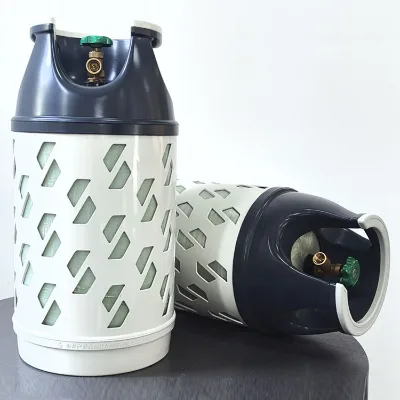
The product scope for LPG cylinders is defined by a wide array of physical attributes, including water capacity, tare weight, and maximum filling quality. Listings show capacities varying from 7.3 liters for small portable units to 35.5 liters for larger storage vessels, with corresponding filling weights ranging from 3kg to 15kg. These variations directly impact the logistics of shipping and the on-site handling requirements, as heavier cylinders require more robust lifting equipment and stricter storage protocols. Buyers should carefully match the water capacity and filling weight to their specific usage patterns to avoid over-ordering or under-specifying their inventory.
Physical dimensions and packaging methods are also key signals that influence the total cost of ownership and storage efficiency. Observed specifications include outside diameters ranging from 220mm to 394mm and heights between 582mm and 665mm, with base diameters tailored to ensure stability. Packaging is frequently listed as palletized with PVC wrapping or bulk containerized in 40-foot high cube units, which affects the number of units per shipment and the protection level during transit. Procurement decisions must account for these dimensional constraints to optimize container loading and ensure the cylinders arrive without damage to the shroud or body.
Technical Specifications to Verify
When evaluating technical specifications, the wall thickness and material composition are paramount for ensuring structural integrity under pressure. The observed data highlights design wall thicknesses of 2.9mm and materials such as HP295 steel or equivalent, which are critical for withstanding the internal forces of liquefied gas. Buyers must verify that the cylinder material is suitable for the specific gas composition and that the spud or bung material, often 20# steel, is compatible with the valve assembly to prevent leaks or corrosion at the connection points.
Pressure ratings and testing parameters provide the definitive safety metrics for any LPG cylinder. Listings indicate working pressures of 2.1MPa and test pressures of 3.2MPa for certain models, while others specify service and test pressures in bars, such as 17/34 Bars. It is essential to confirm that the test pressure significantly exceeds the working pressure to provide a necessary safety margin. Additionally, the ambient temperature range of -40 to 60 degrees Celsius must be considered to ensure the cylinder remains functional and safe across the full spectrum of operating environments where it will be deployed.
Compliance and Safety Documentation
Compliance with international and regional standards is a non-negotiable requirement for sourcing LPG gas cylinders. The market data references several key standards, including CE, TPED, DOT, GB, ISO4706, and EN1442, which govern the design, manufacturing, and testing of pressure vessels. Buyers must request proof of certification for the specific standard applicable to their destination market, as a cylinder compliant with one region's regulations may not be legally operable in another. Documentation should explicitly state the standard used for the design and the specific test results that validate the cylinder's safety.
Safety documentation must also include detailed records of the manufacturing process and quality control checks. This includes verification of the condition of the product, which is listed as new, and confirmation of the customization options available to meet specific safety or operational needs. Procurement teams should ensure that the supplier provides a certificate of conformity that links the specific batch of cylinders to the manufacturing standards and test pressures. Without this documentation, the cylinders cannot be legally filled or transported, and the liability for any incidents may fall entirely on the purchaser.
Cost Drivers and Commercial Terms
The cost of LPG cylinders is driven by a complex interplay of material costs, manufacturing complexity, and order volume. The observed minimum order quantities (MOQ) range widely from 1 unit to 5,880 units, with specific listings showing an MOQ of 1,470 for certain models. Buyers with smaller volume requirements may face higher per-unit costs or may need to negotiate with suppliers who can accommodate lower MOQs, while larger orders can leverage economies of scale to reduce the unit price. Understanding the MOQ structure is essential for budgeting and inventory planning, as it dictates the minimum financial commitment required to initiate a purchase.
Commercial terms regarding packaging and shipping logistics significantly impact the final landed cost. Listings indicate packaging options ranging from individual pallets wrapped in PVC to bulk 40-foot high cube containers, which affects the number of units that can be shipped per load. The origin of the products, primarily from Shanghai, China, and other mainland locations, influences lead times and freight costs. Buyers should clarify whether the quoted price includes packaging and containerization costs or if these are separate line items, as this distinction can alter the total cost of the procurement by a significant margin.
Supplier Qualification and Quality Control
Supplier qualification should focus on the manufacturer's ability to consistently produce cylinders that meet the rigorous demands of pressure vessel standards. The availability of customization suggests that suppliers have flexible manufacturing capabilities, but buyers must verify that these customizations do not compromise the structural integrity or safety ratings of the final product. It is crucial to assess the supplier's track record in producing new condition cylinders and their adherence to the specified pressure levels and material standards.
Quality control processes must be transparent and verifiable before placing an order. Buyers should request evidence of the testing procedures used to validate the test pressure and working pressure specifications. The supplier should demonstrate a robust quality assurance system that includes checks on the outside diameter, height, and wall thickness to ensure every cylinder meets the design specifications. Additionally, verifying the supplier's ability to provide the required documentation, such as the CE/TPED/DOT/GB certifications, is a key indicator of their commitment to quality and regulatory compliance.
Long-Term Procurement Checks
Establishing a long-term procurement strategy for LPG cylinders requires regular audits of the supplier's production capabilities and quality consistency. Over time, buyers should monitor the performance of the cylinders in the field to ensure they continue to meet the specified ambient temperature ranges and pressure ratings. Any deviations in performance, such as unexpected leaks or structural failures, should trigger an immediate review of the supplier's quality control processes and material sourcing.
Continuous verification of compliance documentation is also essential for maintaining operational safety and legal standing. As regulations evolve, suppliers must demonstrate their ability to adapt their manufacturing processes to meet new standards, such as updates to ISO4706 or EN1442. Buyers should maintain open communication channels with suppliers to stay informed about any changes in material availability, such as HP295 steel, and ensure that the supply chain remains resilient against potential disruptions. Regular reviews of the supplier's certification status and production records will help mitigate risks and ensure a steady supply of safe, compliant LPG cylinders.
FAQs
What is the working pressure of the LPG gas cylinder?
The working pressure is 2.1MPa, which falls within the medium pressure range of 1.6MPa to 10.0MPa. The test pressure is 3.2MPa, ensuring the cylinder meets safety standards for liquefied gas storage and transport.
What are the standard certifications for these LPG gas cylinders?
The cylinders comply with CE, TPED, DOT, and GB standards. Some models also meet ISO4706 or EN1442 requirements. These certifications ensure the product meets international safety and quality regulations for pressure vessels.
What is the maximum filling weight for the 10kg LPG cylinder?
The maximum filling weight for the 10kg model is 10kg, with a water capacity of 24 liters. The tare weight is approximately 11kg, and it is designed for cooking and heating applications with a service pressure of 17 bars.
Can the LPG gas cylinder be customized for specific needs?
Yes, customization is available for these LPG gas cylinders. Buyers can specify color options and other attributes to meet specific requirements. The product is new and designed for medium pressure applications with a working pressure of 2.1MPa.
What is the minimum order quantity for the 10kg LPG cylinder?
The minimum order quantity for the 10kg LPG cylinder is 1470 units. This bulk order size is suitable for large-scale procurement and is packed in 40HQ containers for efficient shipping and logistics management.
What materials are used in the construction of the LPG cylinder?
The cylinder body is made from HP295 or equivalent steel, while the spud and bung are made from 20# steel. These materials provide the necessary strength and durability for medium pressure gas storage and transport.
What is the ambient temperature range for the LPG gas cylinder?
The LPG gas cylinder is designed to operate in ambient temperatures ranging from -40 to 60 degrees Celsius. This wide temperature range ensures reliable performance in various environmental conditions, from cold to hot climates.